Commercial Real Estate Trends (2026)
Commercial real estate (CRE) is entering a pivotal phase in 2026. After years of economic uncertainty, shifting work patterns, and evolving investor behavior, the market is no longer reacting—it is restructuring.
For investors, developers, brokers, and property owners, understanding where CRE is headed in 2026 is critical to making informed, forward-looking decisions. Below are the most important commercial real estate trends shaping the year ahead—and why they matter.
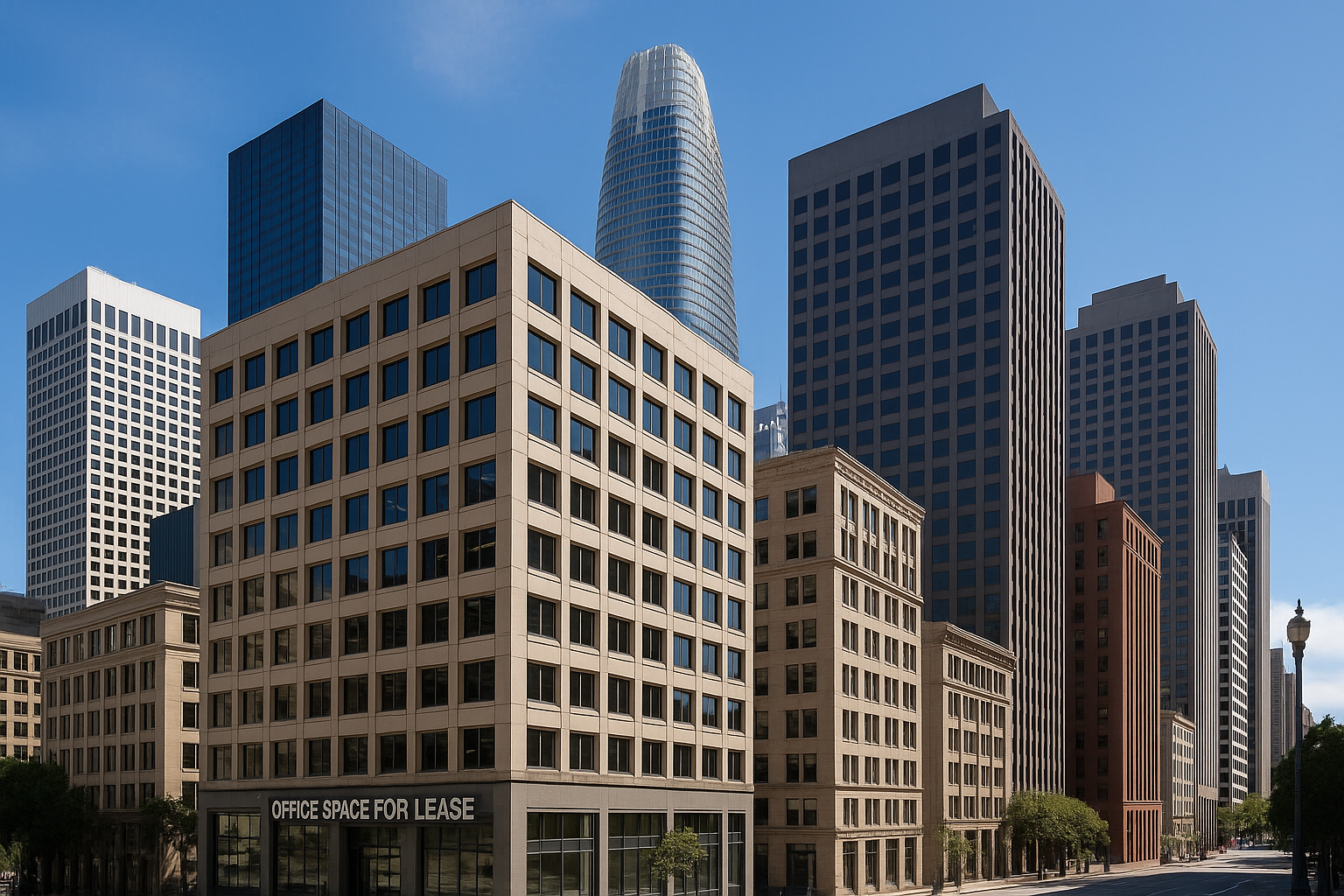
1. The Office Market Is Stabilizing — But Not Reverting
The office sector is not returning to its pre-2020 form. Instead, 2026 confirms a permanent structural shift.
What’s Changing
● Hybrid work is permanent, not transitional
● Companies are reducing square footage while upgrading quality
● Demand is concentrating in Class A and boutique office environments
What’s Declining
● Outdated Class B and C office buildings
● Large, inflexible floor plates
● Long-term leases without adaptability
2026 Takeaway
The office market is bifurcating. Premium, well-located, amenity-rich offices are leasing. All other assets must be repurposed, repositioned, or repriced.
2. Industrial Real Estate Remains the Backbone of CRE
Industrial real estate continues to outperform most asset classes—and its role strengthens in 2026.
Key Growth Drivers
● Sustained e-commerce demand
● Nearshoring and reshoring of manufacturing
● Increased need for last-mile distribution hubs
● Automation-ready warehouse design
Markets near ports, highways, and dense population centers continue to experience strong demand with limited new supply.
2026 Takeaway
Industrial is no longer a “hot trend”—it is a core pillar of commercial real estate portfolios.
3. Retail Is Evolving — Not Disappearing
Retail has quietly transformed, and by 2026, the winners are clearly defined.
What’s Performing Well
● Grocery-anchored shopping centers
● Medical, service-based, and experiential retail
● Mixed-use environments combining retail, residential, and office
What’s Struggling
● Enclosed malls without experiential offerings
● Commodity retail lacking foot-traffic drivers
Physical retail now functions as a brand experience and engagement channel, not just a point of sale.
2026 Takeaway
Retail that integrates experience, convenience, and necessity continues to outperform—especially in suburban and mixed-use settings.
4. Adaptive Reuse Is Becoming a Strategic Necessity
As demand patterns shift, aging commercial properties are being reimagined rather than abandoned.
Common Adaptive Reuse Conversions
● Office → residential
● Hospitality → workforce or long-term housing
● Retail → medical or education
● Industrial → flex or creative environments
Municipalities are increasingly easing zoning restrictions to accelerate redevelopment and reduce prolonged vacancy.
2026 Takeaway
Adaptive reuse is no longer experimental—it is a primary solution to oversupply in outdated asset classes.
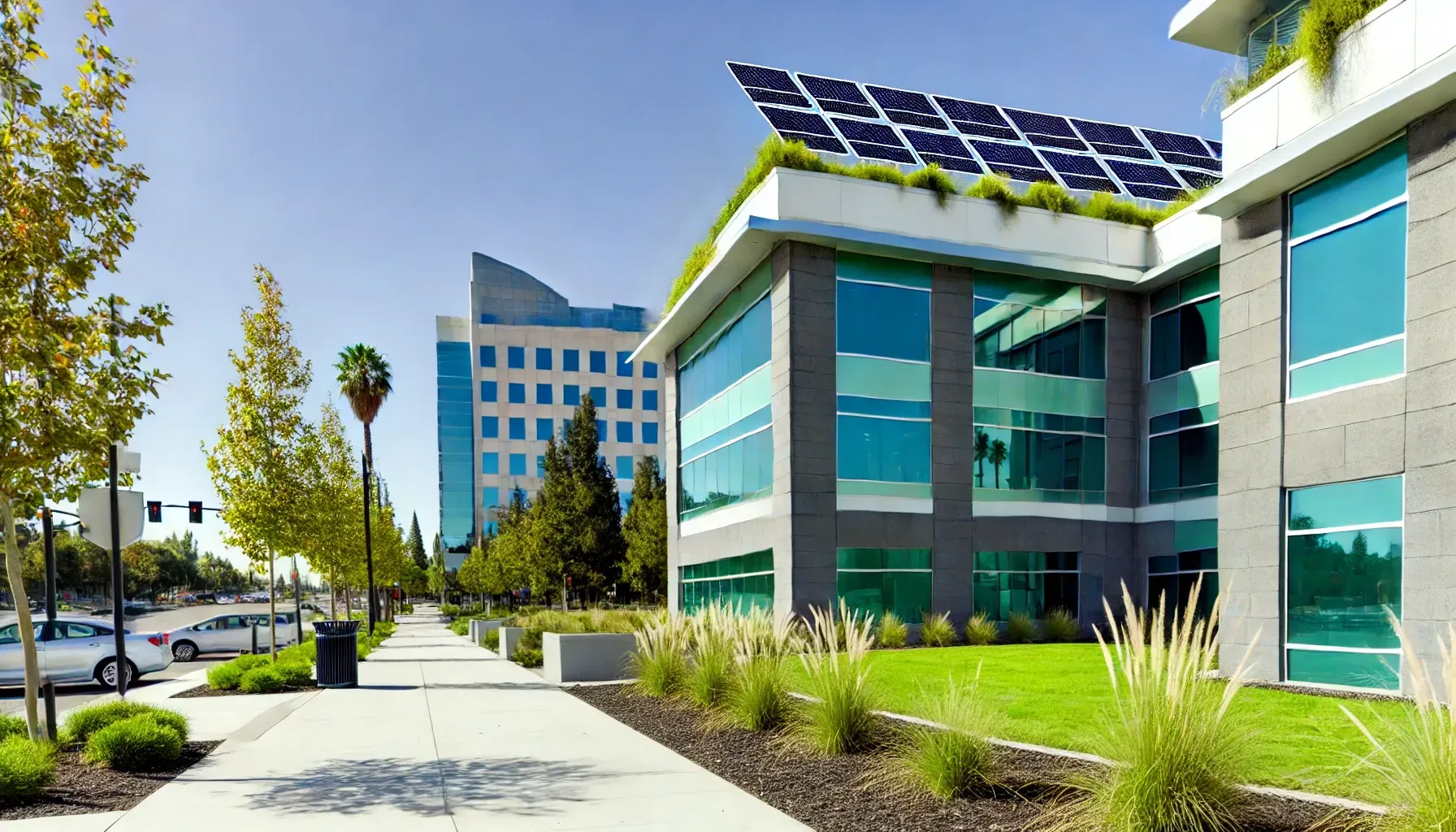
5. Sustainability Is Now a Financial Requirement
Environmental, social, and governance (ESG) compliance has moved from optional to essential.
Why It Matters in 2026
● Tenants prioritize energy-efficient buildings
● Investors favor ESG-aligned assets
● Operating costs are directly tied to sustainability
● Green buildings command higher rents and valuations
Features Gaining Traction
● Energy-efficient HVAC systems
● Solar integration
● Water-conserving infrastructure
● EV charging stations
2026 Takeaway
Sustainability directly impacts NOI, tenant retention, and asset liquidity.
6. Data-Driven Real Estate Is the New Advantage
As margins tighten, technology adoption across CRE is accelerating.
Key Technologies Shaping Decisions
● AI-powered underwriting and forecasting
● Smart building systems for energy optimization
● Predictive maintenance platforms
● Advanced tenant behavior and usage analytics
Owners and operators leveraging data are outperforming peers in leasing velocity, pricing accuracy, and operational efficiency.
2026 Takeaway
Data is no longer a support tool—it is a core decision-making asset.
7. Capital Markets Are More Disciplined
After years of aggressive pricing and easy capital, 2026 reflects a return to fundamentals.
Key Capital Trends
● More conservative underwriting assumptions
● Increased scrutiny of cash-flow stability
● Preference for income-producing assets
● Greater emphasis on downside protection
While deal volume remains selective, well-structured opportunities continue to emerge.
2026 Takeaway
Patience, structure, and fundamentals matter more than speed or speculation.
8. Suburban and Secondary Markets Continue to Gain Momentum
While urban cores remain important, investor interest is expanding outward.
Why Investors Are Shifting
● Lower acquisition costs
● Population migration trends
● Business decentralization
● Infrastructure improvements
Markets with strong job growth, accessibility, and quality of life are outperforming expectations.
2026 Takeaway
Location strategy is increasingly diversified—opportunity is more geographic than ever.
Final Outlook for 2026
Commercial real estate in 2026 is defined by adaptation, discipline, and innovation.
The winners are not chasing trends—they are responding to structural change by investing in:
● Smarter buildings
● Flexible, future-ready spaces
● Sustainable operations
● Data-driven decision-making
Those who understand where the market is truly headed—rather than where it used to be—will be best positioned for long-term success.
Share this post